


Shaped by the river. Rooted in stone.
Four generations of patient hands, working between the Orange River and the Kalahari sun. What began on the riverbanks in the 1940s is now a family estate of organically produced wines, slow-crafted brandies and frontier hospitality.
The land
comes first.
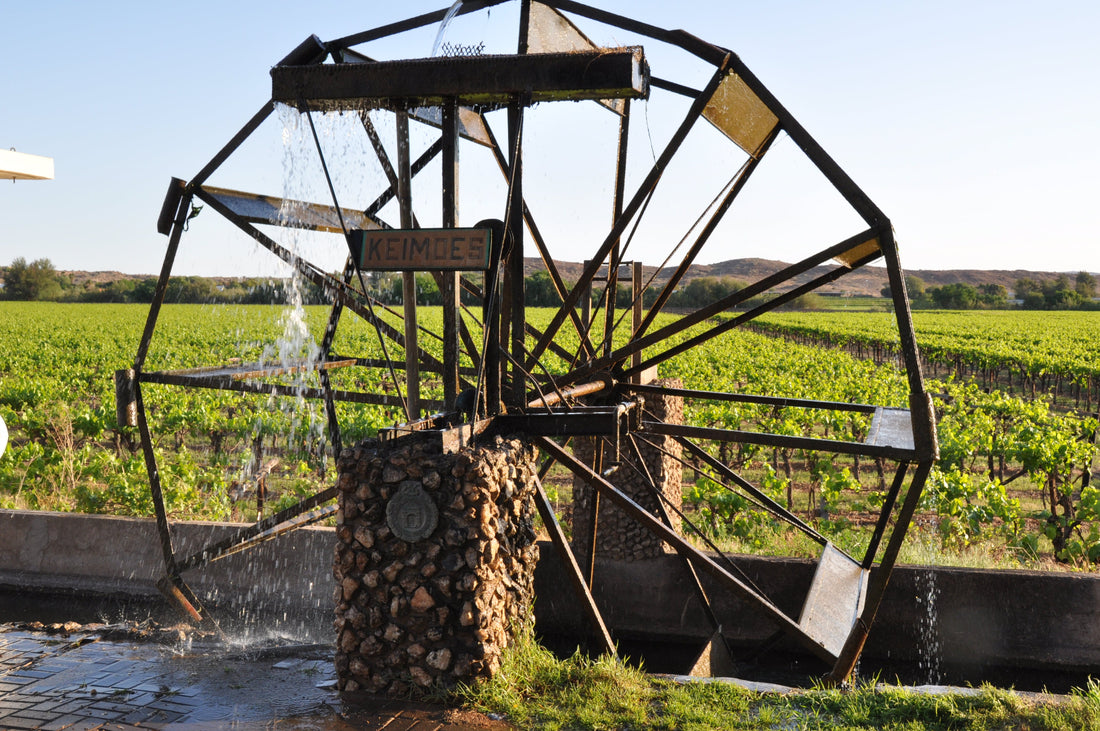
On the N14 between Upington and Keimoes, the day can swing from fierce heat to cold starlight within a single turn of the earth. The Kalahari gives nothing easily, but what it gives, it concentrates.
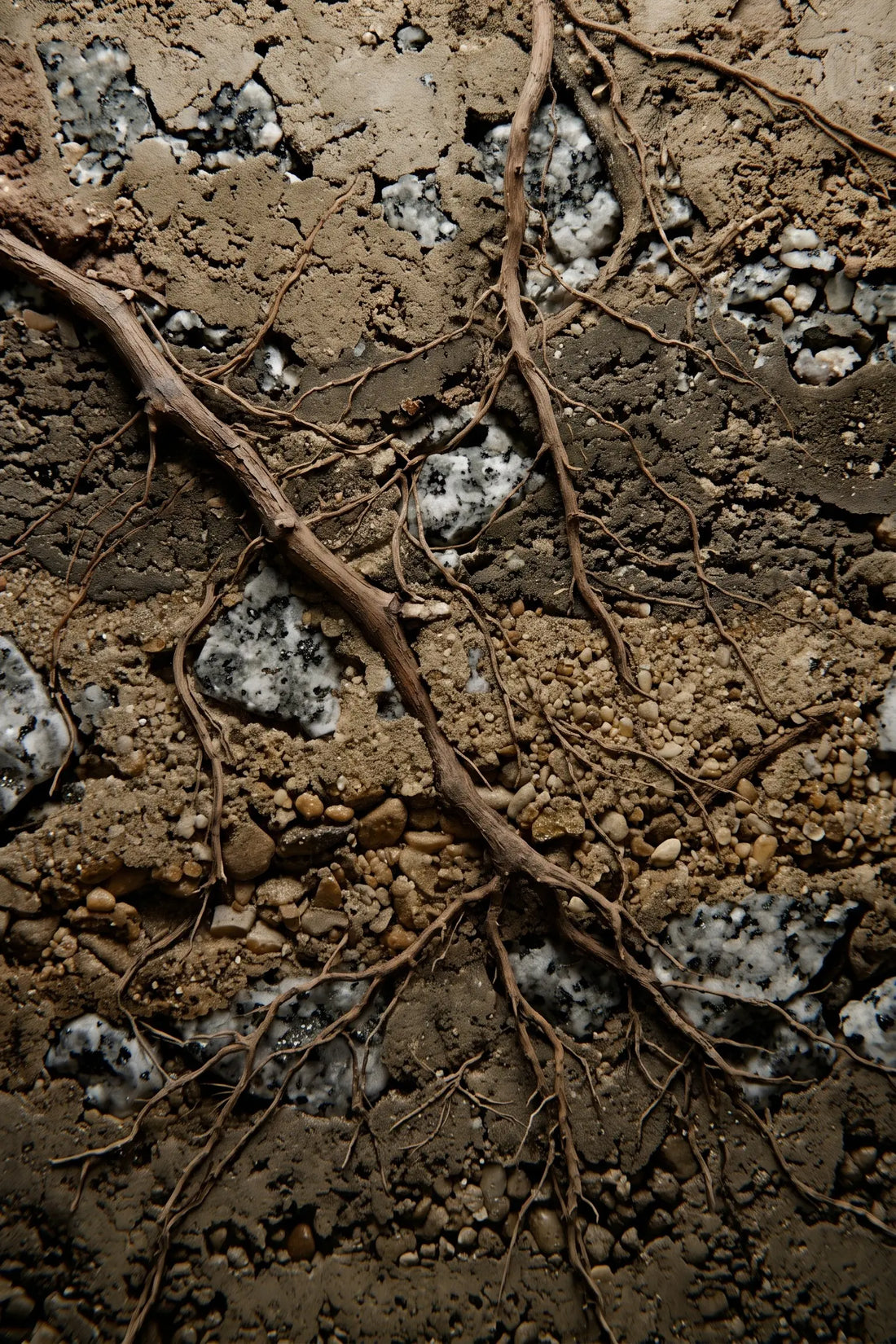
Granite holds the daytime warmth. The Orange River answers the drought. Between the two, on a narrow ribbon of cultivated soil, the fruit learns to carry more character than an easier climate would ever ask of it.
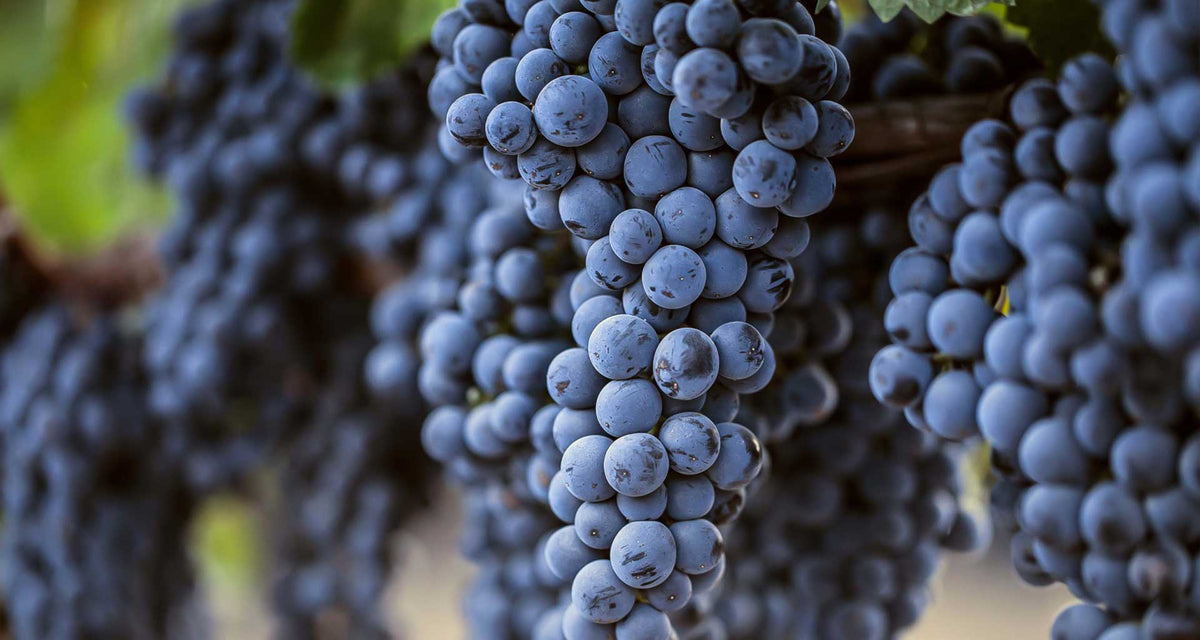
We do not command
this landscape. We adapt to it.
Between the fierce heat of the Kalahari and the life-giving pulse of the Orange River, our family has spent nearly a century learning the language of this soil.
What we bottle is a partnership with the land. We craft in small, deliberate batches of 800 to 1,100 bottles, because the land sets the limit and we respect what it gives.
A legacy measured in seasons, not milestones.
What follows is a record of where we came from, what the Kalahari asked of us, and how four generations answered.
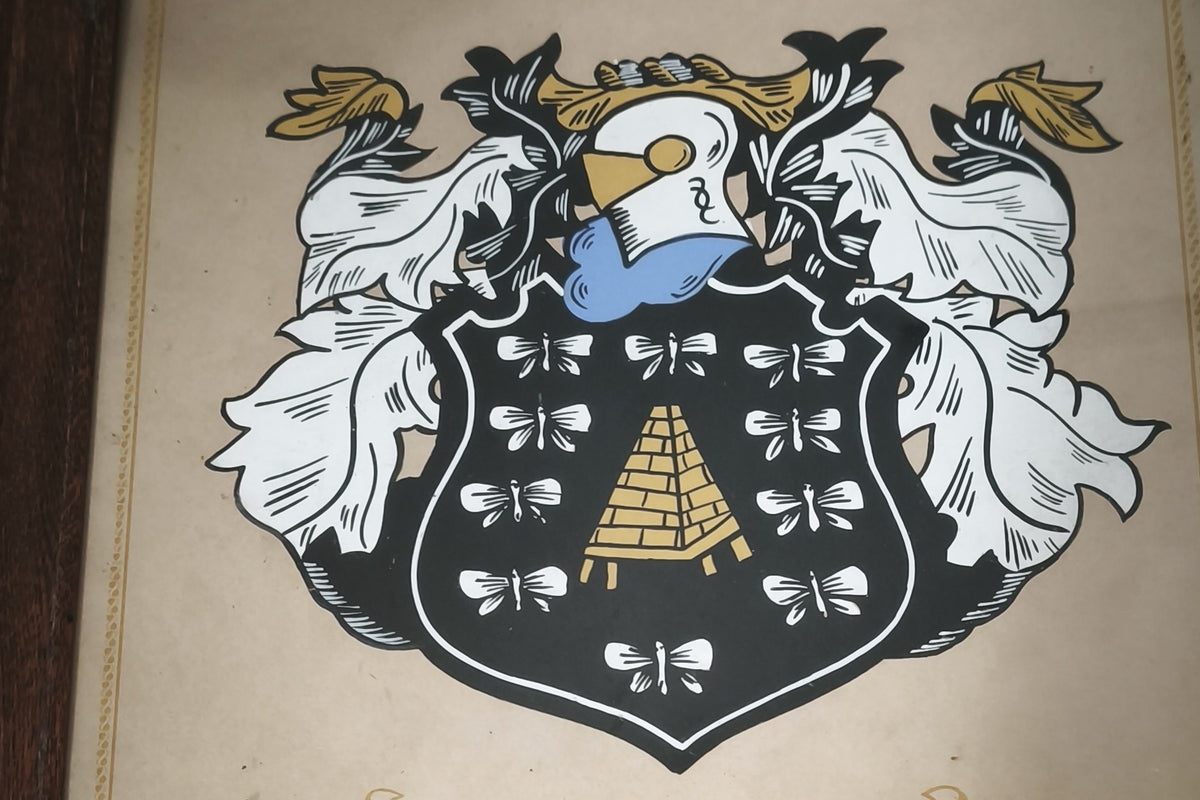
The Bezuidenhout family crest, kept by the family 00 · 1666Where the family began · Wijnand Leendertsz BezuidenhoutA Gardener at the Cape
Long before our family found the Orange River, there was a garden.
In January 1666 a young sailor named Wijnand Leendertsz stepped ashore at the Cape from the Dutch East India Company ship De Vergulde Tijger. He took his surname from the place he came from: Bezuidenhout, on the edge of The Hague. Within two years he was head gardener of the Company's Garden in Cape Town, the garden that fed the passing ships and where the Cape's very first vines had been planted a decade earlier. The Company's own records note that he did his work “with great diligence”.
In 1668 he married Jannetje Gerrits of Amsterdam. The Company's Garden was worked largely by enslaved people, and as head gardener Wijnand was put in charge of them. As a farmer, he later bought and sold enslaved people himself. It is part of our family's history, and of the Cape's, and we tell it as it was.
In 1671 he became a free burgher and bought a farm at Rondebosch, between the land of Jacob van Rosendael, the Cape's first celebrated winemaker, and the Company's own orchard. He was farming there in May 1672, when the Cape distilled its first brandy.
Wijnand died young, probably in a wagon accident, in 1674. His son, also named Wijnand, was baptised a few months later, and the Bezuidenhout family of South Africa descends from him.
Nearly three centuries and a long road north lay between that garden and the Orange River. But the thread runs unbroken, from a garden at the foot of Table Mountain to the vines and the still at Dyasonsklip.
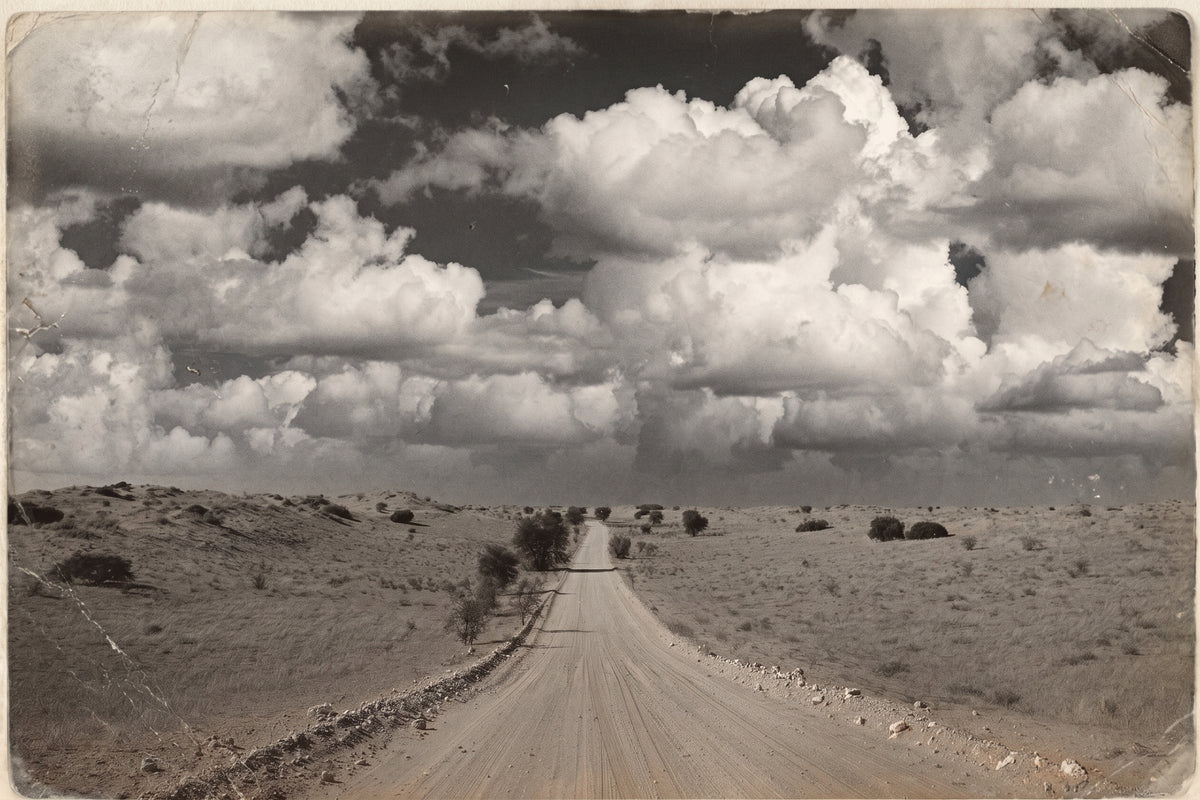
The road from the Kalahari Desert 01 · 1940sFirst generation · Martiens Bezuidenhout, the founderWhere it all began
Some stories begin with a dream.
Ours began with a sheep farmer, a desert frontier, and a deep belief that the right piece of land is worth everything.Bezalel Wine & Brandy Estate is a family‑run boutique producer in the heart of the Green Kalahari, Northern Cape. For almost a century, four generations of the Bezuidenhout family have worked this sun‑soaked stretch of land — learning its rhythms, honouring its extremes, and crafting something lasting from everything it gives us.
Our great‑grandfather, Martiens Bezuidenhout, grew up in the deep Kalahari Desert, farming sheep and learning the patience that desert life demands. After a long stretch of drought and struggles, he followed the promise of the Orange River — and found it.He moved to a modest plot along the riverbank in the 1940s, drawn by its potential and the rare gift of nearby water. The farmhouse standing on the property had already weathered decades when he arrived. It has weathered many more since. Today, lovingly restored, it welcomes guests as the Bezalel Estate Country House.
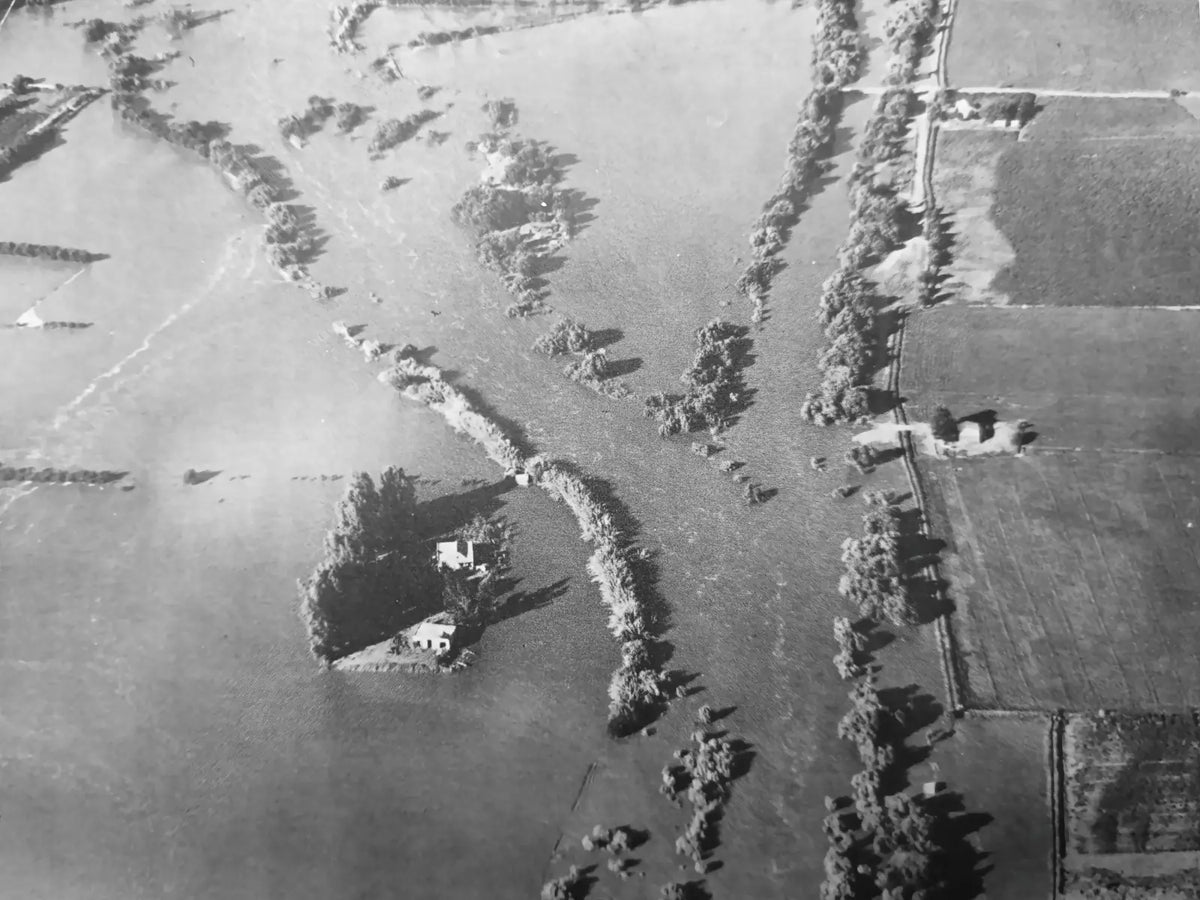
The 1988 Orange River Flood 02 · 1950s–80sSecond generation · Jannie BezuidenhoutWater Meets the Soil
The Northern Cape changed forever when large dams were built along the Orange River and canal systems opened the land to reliable irrigation. Our grandfather, Jannie Bezuidenhout, saw the opportunity clearly.
With characteristic determination, he expanded the farm — acquiring neighbouring plots and pioneering the large-scale cultivation of wheat, cotton, table grapes, and wine grapes along the riverbank. It was an era of real possibility, and Jannie met it with both hands.
But the Kalahari never gives without testing those who work it.
In 1988, the Orange River flooded with devastating force. Vineyards were destroyed, land was torn apart, and years of careful cultivation vanished almost overnight. Many farms never recovered.
Through hard work and determination, ours did, as Jannie and his son, Inus, rebuilt it together.
They reworked and replanted every affected piece of land, slowly and deliberately. It was a task that stretched across many seasons, driven by an unshakeable belief that the land was worth fighting for. That resilience became the foundation for everything Bezalel is today.
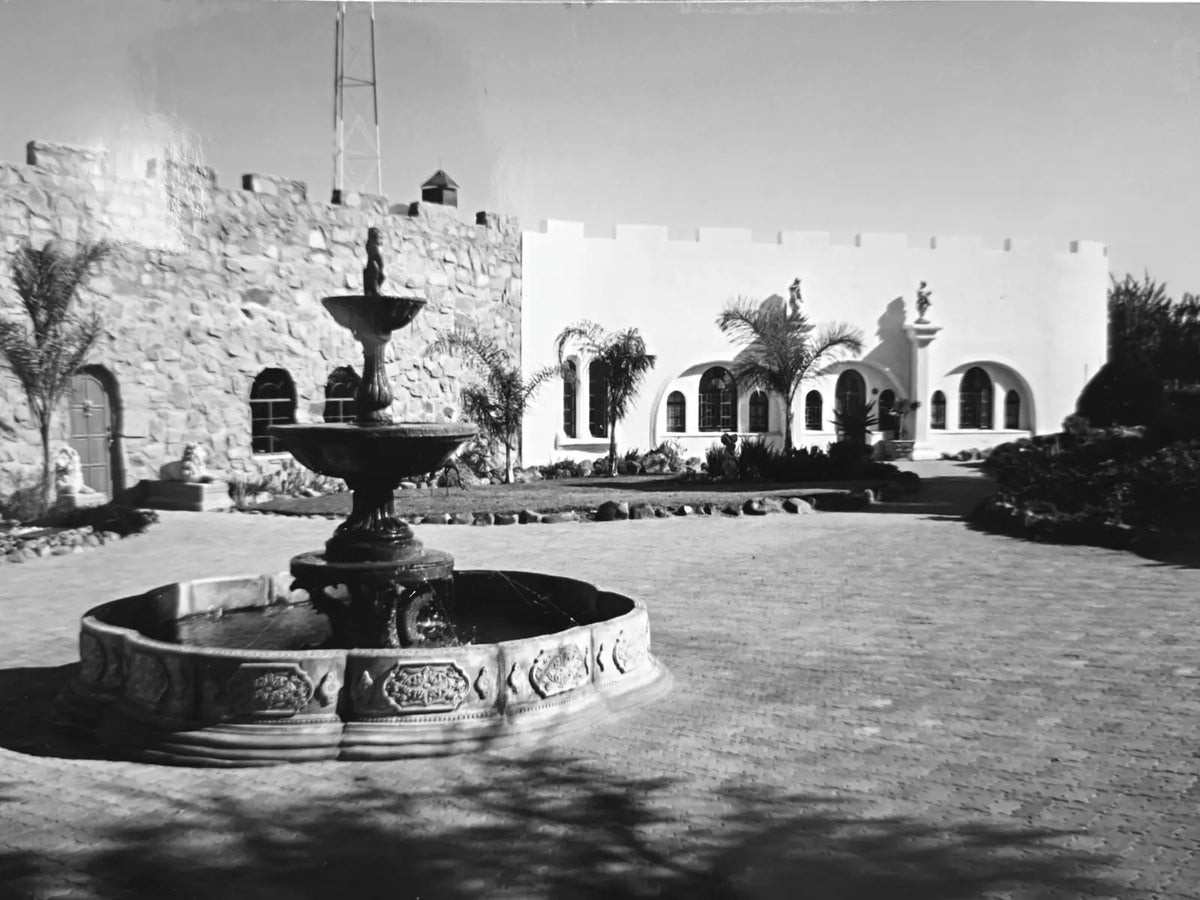
The cellars rising around an older farmhouse 03 · 1980s–00sThird generation · Inus BezuidenhoutBlasted Granite & The Birth of the Cellar
The transformation from farming family to wine producer came through our father, Inus Bezuidenhout — and it came with grit, vision, and a willingness to do what others said could not be done.
After completing his studies at the Elsenburg Agricultural College and gaining invaluable hands-on experience at Stellenbosch Farmers' Winery (SFW), Inus returned to the farm with a clear and ambitious purpose. He planted the estate's first winemaking vineyards at a time when the semi-arid Northern Cape was largely dismissed as serious wine country.
But Inus had seen something others had not. He understood the unique qualities of the lower Orange River valley — and of the Dyasonsklip area in particular — where the intense Kalahari sun, the cooling influence of the river, and the dramatic shifts between day and night temperatures create a microclimate unlike anywhere else in South Africa. Where others saw desert, he saw potential. And he set out, quietly and methodically, to prove it.
When solid granite bedrock made planting impossible, there was only one answer: dynamite — and lots of it. The rock was blasted out, and painstakingly removed, to make way for the vines that would go on to define the estate. Those same granite boulders were not discarded — they became the walls of our cellar, and they stand there still today. A quiet, enduring reminder that everything at Bezalel is quite literally built from the land it comes from.
From those first vines, Inus produced our earliest wines and distilled our first brandy — and with that, Bezalel Wine & Brandy Estate was born. Not simply as a producer, but as a pioneer: the first private cellar and distillery to be established along the banks of the Orange River.
It was a milestone not just for our family, but for the entire region.
What followed was a lifetime of dedication to craft. With an unwavering focus on quality and a deep respect for traditional methods, Inus spent years refining his approach — developing the recipes for our award-winning brandies through patience, precision, and the kind of quiet, persistent trial and error that only someone who truly loves what they are making is willing to commit to. Those recipes remain the backbone of what we produce today.
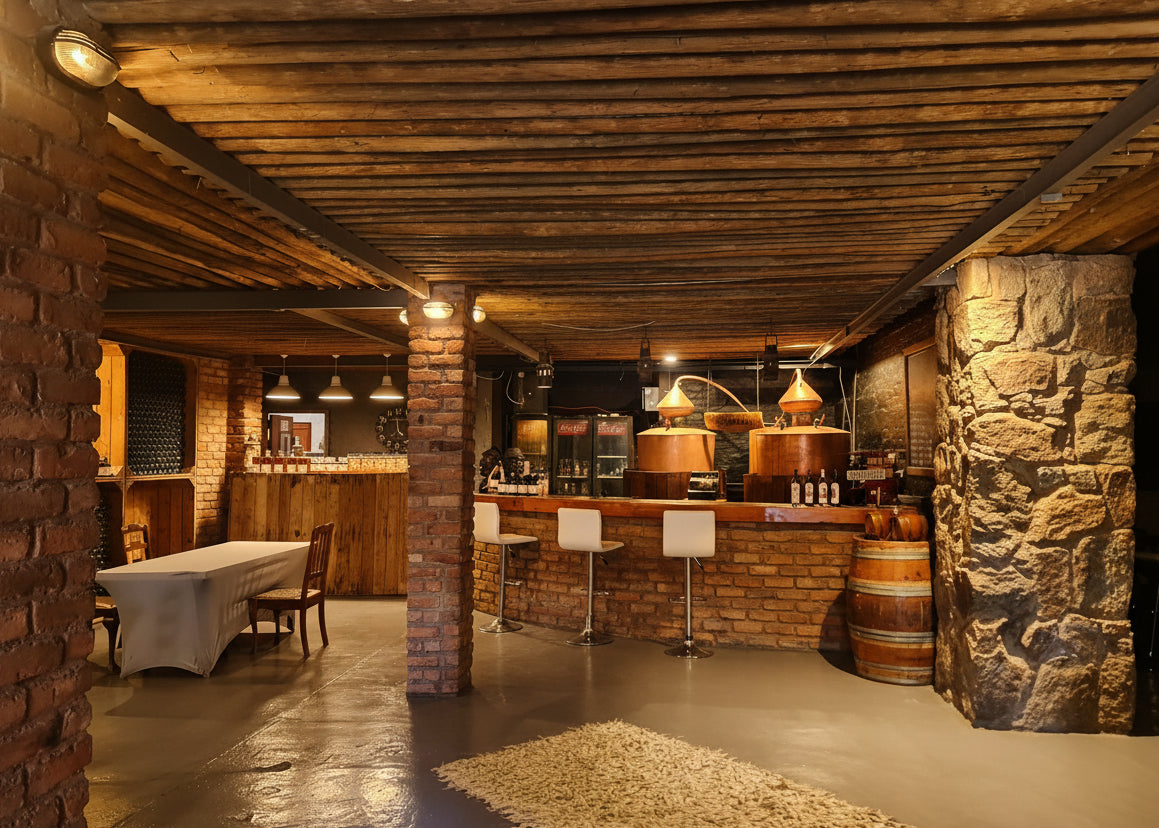
The Tasting Room at Bezalel Estate 04 · Present dayFourth generation · Martiens Bezuidenhout, the founder's great-grandsonAn Unfolding Horizon
The estate is now guided by the fourth generation: Martiens Bezuidenhout, the founder's great-grandson and namesake, who brings a fine-arts background and a deep respect for everything the generations before him built, alongside a restless curiosity about what this land can still produce.
His illustrations of the Kalahari's animals, plants, and textures appear on every label we release, turning each bottle into a small piece of the landscape it came from. Under his leadership, Bezalel has become a place of quiet experimentation — reimagining family traditions, exploring new flavour profiles, and crafting products that have never existed before.
Among them, South Africa's first rooibos-wooded potstill brandy — a genuinely pioneering spirit that draws on one of the country's most beloved botanicals and the ancient terroir of the Northern Cape. Our growing range of artisanal liqueur infusions continues that same spirit of exploration, each one rooted in the landscape and crafted with the patience this family has always brought to everything it makes.
It was also under Martiens' guidance that Bezalel opened its doors in a new way — introducing farm stay accommodation and thoughtfully upgrading the public-facing facilities to create experiences worthy of the journey. What was once a working farm seen only from the outside is now a destination you can settle into, explore, and leave feeling genuinely restored.
A living,
breathing estate.
The faces change with each generation, but the rhythm of this soil remains unbroken. We farm certified organic, audited by Ecocert, growing our vines along the Orange River without synthetic pesticides or herbicides, because that is the only way to care for land meant to be passed on.
Every release carries the same three-part discipline: let the land speak, honour ancestral methods, and leave room for curiosity.
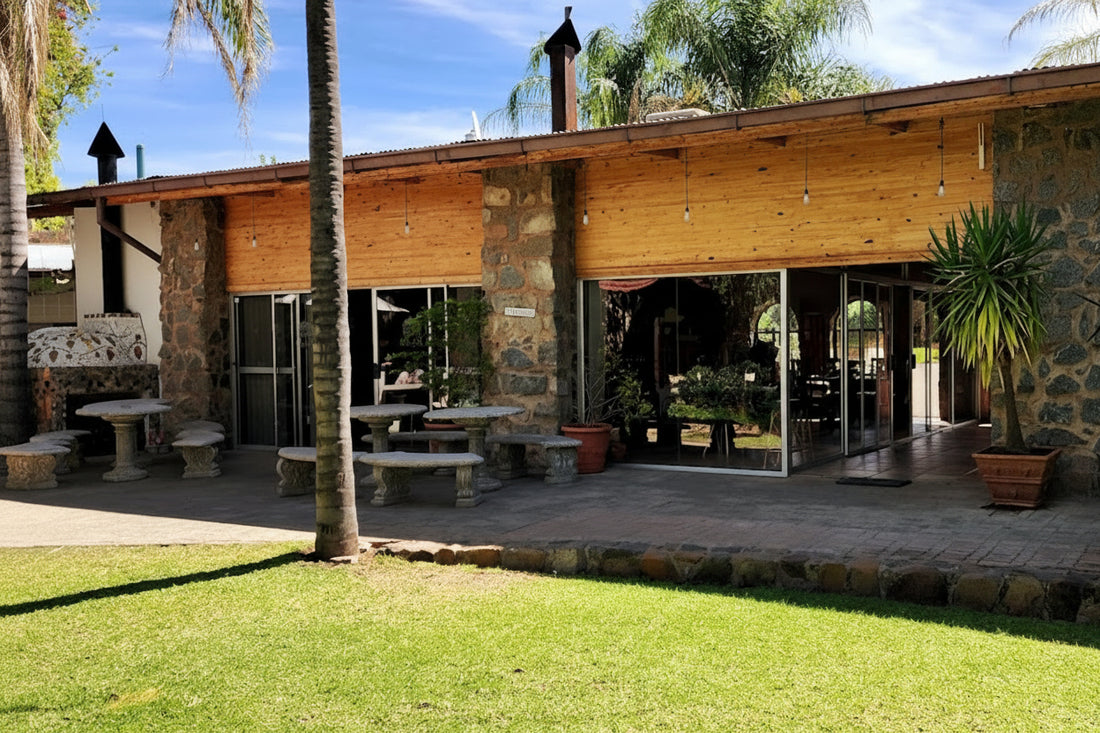
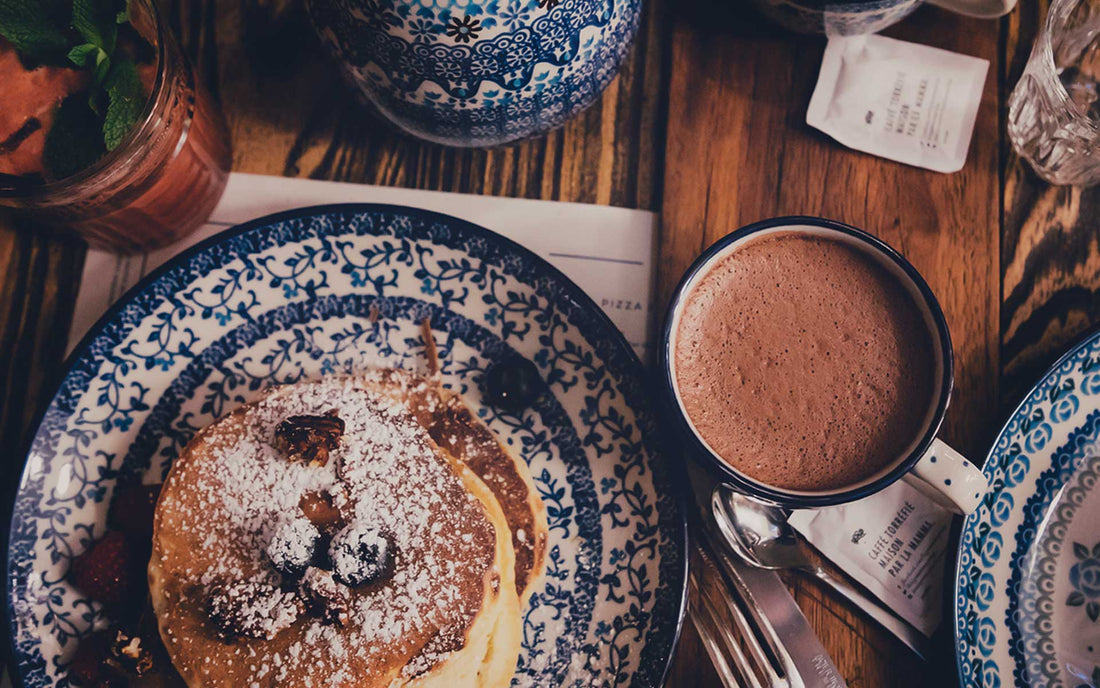
And the gate is open every day to travellers. Stop for a long garden lunch at the Farm Kitchen, our farm-to-table restaurant under the shade trees, or for a tasting at the cellar door.
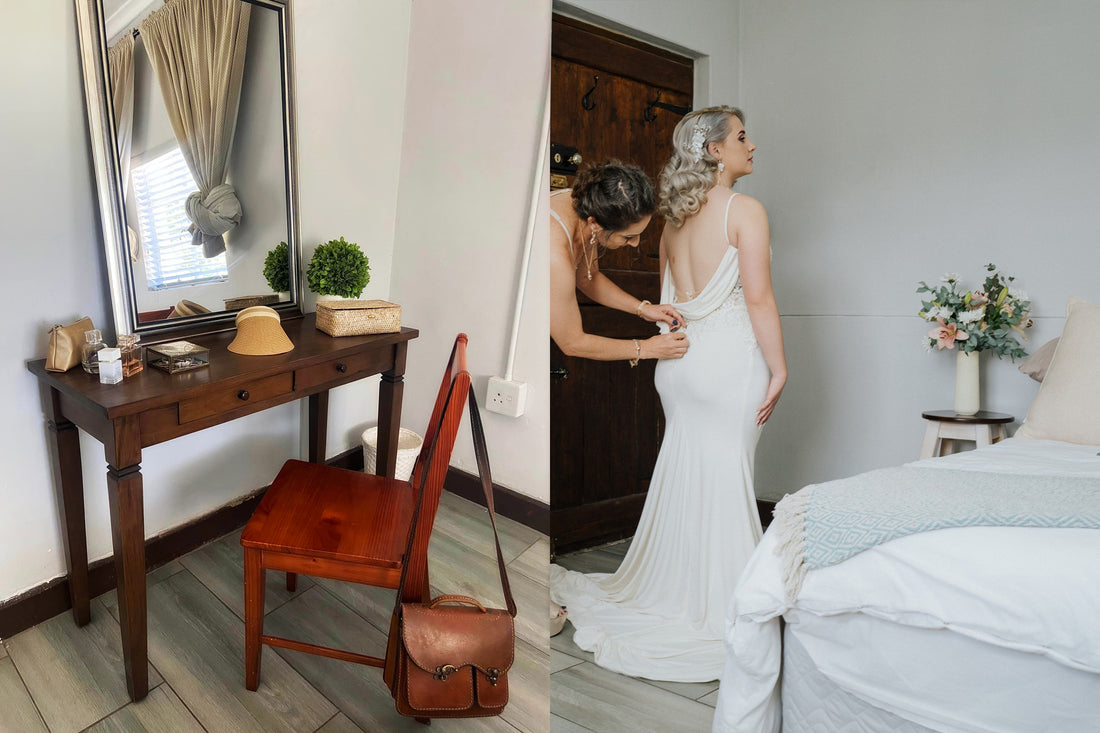
Or stay a while. The restored farmhouse where the family first welcomed guests is now the Country House, alongside the Garden Rooms and our self-catering units, and the evenings on its stoep are slow.
How we tend this place.
- Stewardship
Respect the ground you have been entrusted with.
We farm certified organic not because it is convenient, but because it is the only way to treat soil intended for the next generation.
- Terroir
Work alongside the desert, never against it.
We take what the Kalahari sun concentrates and what the Orange River feeds, listening before we act.
- Craft
Move with patience; the best things refuse to be rushed.
From hand-tended vines to slow potstill distillation, quality is held in small, deliberate batches.
- Hospitality
Open the threshold with genuine warmth.
Craftsmanship is complete only when shared — whether across a stoep table, in the cool cellar, or beneath the trees.
These are the disciplines that shape every season, every vintage and every welcome.
The story is still unfolding.
Whenever your travels bring you down the N14, 22 km from Upington and 18 km from Keimoes, our gate is open every day: for a cold glass, an unhurried story, or simply the shade of the farm.
There is always a chair waiting on the stoep.